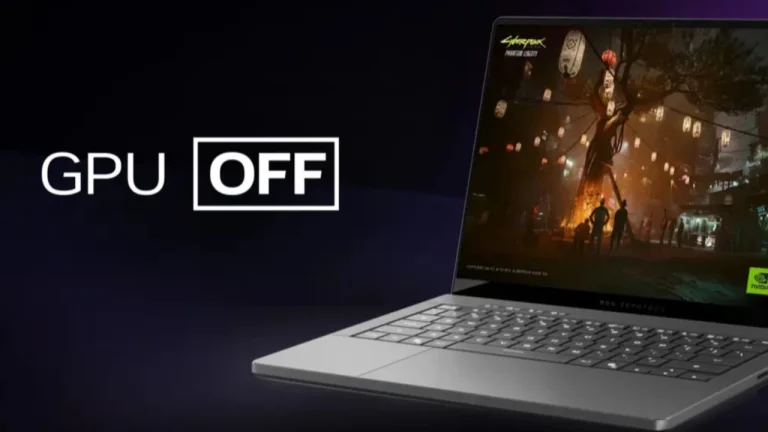











Microsoft is testing a groundbreaking new feature in Windows 11 that could fundamentally change how users manage their system resources. The experimental setting, discovered in test build 29648 released on August 17th, would allow users to manually control how shared memory is distributed between graphics processing for gaming and artificial intelligence operations. While no official release date has been announced, this development signals Microsoft’s recognition of the growing importance of AI workloads on consumer devices and the need for more granular system control.
The feature represents a significant shift in how Windows handles memory allocation, traditionally an automated process managed entirely by the operating system. With the increasing integration of AI capabilities into everyday computing tasks—from image generation to real-time translation and intelligent assistants—the competition for system resources has become more complex than ever before. This new setting acknowledges that different users have vastly different priorities, with some favoring gaming performance while others may want to dedicate more resources to AI-powered productivity tools.
Understanding Shared Memory Architecture
Shared memory, also known as unified memory architecture, refers to system RAM that can be accessed by both the CPU and GPU. This is particularly relevant for integrated graphics solutions found in laptops and budget desktops, where there is no dedicated video memory. AMD’s APUs and Intel’s integrated graphics chips both rely heavily on this shared memory pool, making efficient allocation crucial for optimal performance. When running demanding games alongside AI applications, these systems can experience significant bottlenecks if memory isn’t properly distributed.
Historically, Windows has managed this allocation automatically through the Windows Display Driver Model (WDDM), which dynamically adjusts memory distribution based on current workload demands. However, this automated approach doesn’t always align with user preferences or specific use cases. A gamer streaming their gameplay while running AI-powered streaming tools might prefer different allocation ratios than a content creator using AI image generation software. The new manual control option addresses this limitation by putting decision-making power directly in the hands of users.
The Rise of AI in Consumer Computing
The timing of this feature coincides with Microsoft’s aggressive push toward AI integration across its product lineup. The company has invested heavily in AI capabilities through partnerships with OpenAI and the development of Copilot, its AI assistant embedded throughout Windows and Microsoft 365. Features like Windows Recall, AI-powered image editing in Photos, and real-time translation all require significant computational resources. As these AI features become more sophisticated and prevalent, the demand on system memory continues to grow exponentially.
Industry analysts note that this development reflects broader trends in the computing landscape. According to recent market research, AI-enabled PCs are expected to dominate new computer sales by 2026, with dedicated neural processing units (NPUs) becoming standard hardware. However, millions of existing systems lack these specialized chips and must rely on shared resources between traditional graphics processing and AI computations. Microsoft’s new memory allocation feature could serve as a bridge solution, helping users optimize their current hardware while the industry transitions to more AI-capable devices.
Implications for Gamers and Power Users
For the gaming community, this feature could prove invaluable. Modern games continue to push graphical boundaries, requiring ever-increasing amounts of video memory for high-resolution textures, ray tracing effects, and complex shader computations. Simultaneously, gamers are increasingly using AI-powered tools for streaming, voice chat enhancement, and content creation. The ability to prioritize graphics memory during gaming sessions, then shift resources to AI workloads when editing or creating content, offers unprecedented flexibility that enthusiast users have long requested.
The feature also has significant implications for professionals using AI tools on mainstream hardware. Machine learning developers, digital artists working with generative AI, and researchers running inference models could all benefit from dedicated memory allocation controls. This level of customization has previously been available only through third-party utilities or complex BIOS modifications, making Microsoft’s native implementation a welcome addition for power users seeking to maximize their system’s potential without resorting to unofficial solutions.
Expert Opinion: This memory allocation feature signals Microsoft’s strategic preparation for an AI-first computing future where resource management becomes increasingly complex. As AI workloads continue to grow on consumer devices, we can expect similar granular control options to become standard across operating systems. Users should anticipate this feature arriving in stable Windows 11 builds by early 2025, likely coinciding with broader Copilot+ PC initiatives.