











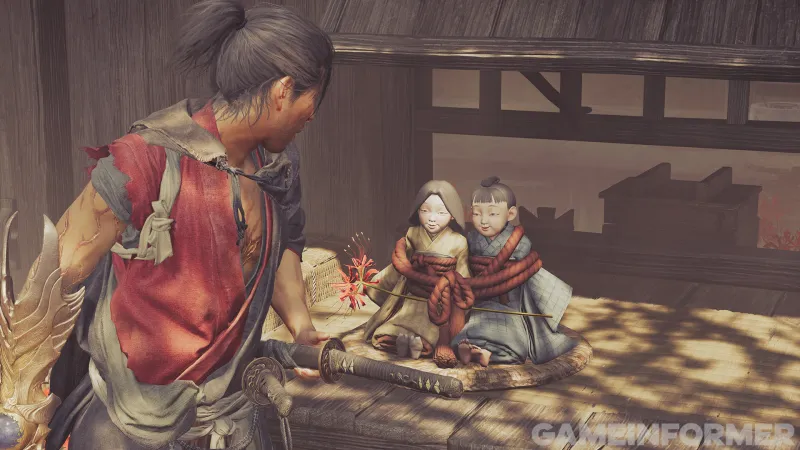
Capcom’s highly anticipated Onimusha: Way of the Sword is set to launch in just a few weeks, marking the return of the beloved action franchise after a remarkable two-decade hiatus. The game has already generated significant buzz within the gaming community, gracing the cover of Game Informer magazine and drawing attention from fans who have been waiting patiently for the series’ resurrection. While much of the focus has been on the game’s protagonist, legendary samurai Miyamoto Musashi, and its innovative combat systems, one particular creative decision has emerged as especially meaningful: the inclusion of Izumo no Okuni, a historical figure whose contributions to Japanese culture cannot be overstated.
The Historical Legacy of Izumo no Okuni
Born around 1578, Izumo no Okuni stands as one of the most remarkable figures in Japanese cultural history. She is widely credited with inventing Kabuki, the distinctive Japanese theatrical art form that would go on to become one of the nation’s most treasured cultural traditions. According to historical accounts, Okuni began her performances along the banks of the Kamo River in Kyoto, captivating audiences with her innovative blend of dance, drama, and music. Today, a beautiful bronze statue of Okuni watches over that same river, commemorating her lasting impact on Japanese performing arts. Her journey from obscurity to cultural icon represents a rare achievement in a society where women’s accomplishments were often overshadowed by those of men.
Kabuki itself has evolved over more than four centuries into a sophisticated art form recognized by UNESCO as an Intangible Cultural Heritage of Humanity. The theatrical tradition combines elaborate costumes, stylized movements, and dramatic storytelling in ways that continue to captivate audiences worldwide. What makes Okuni’s story particularly compelling is that she achieved this cultural revolution during the turbulent transition between the Azuchi-Momoyama and Edo periods, times marked by significant social upheaval and rigid hierarchical structures that typically limited women’s public roles.
A Dream Two Decades in the Making
For Onimusha: Way of the Sword lead writer Hiroshi Yamashita, the inclusion of Okuni in the game represents the fulfillment of a long-held creative ambition. During exclusive interviews conducted at Capcom’s Osaka headquarters, Yamashita revealed that he has wanted to include Okuni in various games throughout his career, but circumstances never aligned properly until now. After twenty years working as a scenario writer and lead writer, Yamashita expressed that finally bringing Okuni into Onimusha: Way of the Sword feels like a dream come true.
The writer’s passion for this historical figure stems from her extraordinary achievement in transcending the social limitations of her era. The Edo period, during which Onimusha: Way of the Sword is set, is often remembered for its relative stability and peace in Japanese history. However, as Yamashita pointed out, that historical significance and recognition largely extended to men, or to women who were connected to important male figures through marriage or family ties. Okuni defied these conventions entirely, rising from anonymity to become the creator of one of Japan’s most enduring art forms purely through her own talent and determination.
Weaving History Into Dark Fantasy
While specific details about Okuni’s role in Onimusha: Way of the Sword remain closely guarded, Yamashita has confirmed that she serves as a key narrative element. The game’s protagonist, Miyamoto Musashi, apparently visits a mysterious underground laboratory belonging to a character named Dokyo because of Okuni, though the exact nature of this connection has not been revealed. This approach reflects Capcom’s broader strategy of blending historical authenticity with the series’ signature dark-fantasy elements, creating a narrative that honors real Japanese history while delivering the supernatural action the franchise is known for.
The Onimusha series has always excelled at this particular fusion of history and horror. Previous entries in the franchise featured other legendary Japanese figures and historical settings, creating an alternative history where demonic forces known as Genma threaten humanity. By incorporating Okuni into this mythology, Capcom appears to be deepening the game’s cultural resonance while introducing players to a figure whose real-world accomplishments are genuinely remarkable. This educational aspect has become increasingly valued in modern game development, as studios recognize the medium’s power to spark interest in history and culture.
Yamashita’s admiration for Okuni is evident in his commentary about her historical significance. He expressed finding it very impressive that she was able to become such a known figure and remain so prominent in history despite the turbulent times in which she lived. This sentiment captures what makes Okuni’s story so compelling: in an era when women faced enormous barriers to public recognition, she not only achieved fame but created something that would outlast empires and continue to influence culture more than four centuries later. As Onimusha: Way of the Sword prepares for its September release, players can look forward to discovering how Capcom honors this extraordinary woman’s legacy within the game’s supernatural narrative framework.
Expert Opinion: Capcom’s decision to feature Izumo no Okuni demonstrates the maturing approach of Japanese game developers toward historical representation, particularly regarding women’s contributions to culture. This creative choice could set a precedent for future titles seeking to blend entertainment with meaningful cultural education, potentially introducing millions of players worldwide to figures they might never encounter through traditional educational channels.