







FromSoftware’s critically acclaimed masterpiece Elden Ring has finally made its way to Nintendo’s newest console, the Switch 2, bringing with it both excitement and inevitable compromises. While the port represents an impressive technical achievement in bringing such an ambitious open-world action RPG to a hybrid portable device, players with experience on other platforms will immediately notice the sacrifices made to achieve this portable reality. The question facing gamers isn’t whether this version works—it does—but whether it’s the ideal way to experience one of the most celebrated games of the decade.
After spending approximately two hours with the Switch 2 version in docked mode, the initial impressions are cautiously optimistic. The tutorial sections within the starting caves feel surprisingly solid, with consistent frame rates that, while falling short of the coveted 60 FPS target, maintain enough stability to provide a playable experience. Consistency matters enormously in action games where split-second timing determines life and death, and FromSoftware’s port appears to prioritize this stability over raw performance numbers. This approach mirrors the developer’s philosophy across their catalog, where gameplay responsiveness always takes precedence.
Open World Challenges And Performance Reality
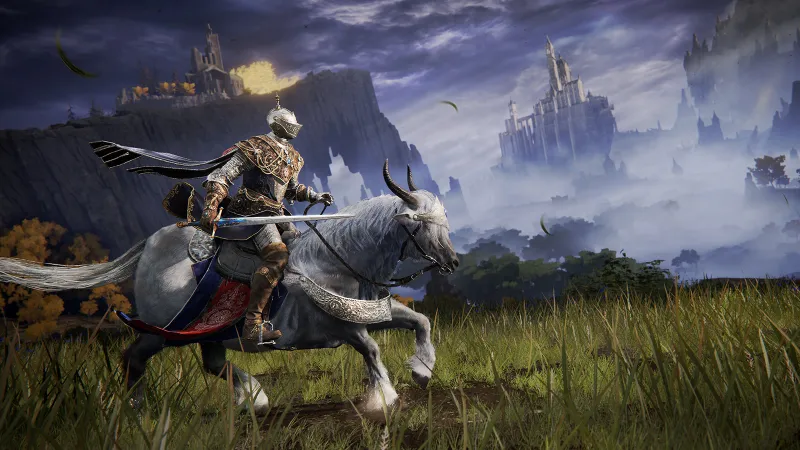
The true test of any Elden Ring port comes when players emerge from the tutorial caves into the Lands Between—the sprawling, interconnected open world that redefined what players expect from the genre. Here, the Switch 2 version shows its limitations more clearly. Rapidly panning the camera across the breathtaking vistas creates noticeable discomfort, and mounting the spectral steed Torrent introduces the most apparent performance struggles. The game’s ambitious draw distances and detailed environmental design clearly push the portable hardware to its limits.
However, context matters significantly when evaluating these shortcomings. The open-world traversal in Elden Ring typically involves steady exploration rather than frantic camera movements. When engaging with the game’s combat encounters—the heart and soul of any FromSoftware title—the experience proves more than manageable. Locking onto enemies and navigating the carefully designed combat arenas functions well enough that skilled players can still execute the precise dodges, parries, and attacks that define the Souls-like genre. Even encounters with larger monsters and mini-bosses performed better than initial concerns suggested.
Historical Precedent For Compromised Ports
The situation brings to mind historical parallels that put the Switch 2 port into perspective. Resident Evil 2’s Nintendo 64 release in 1999 required extraordinary compression techniques to fit a two-disc PlayStation game onto a single cartridge. That version featured compressed cutscenes, reduced audio quality, and visual downgrades, yet it introduced countless players to Capcom’s survival horror masterpiece. For many gamers of that era, including those without access to Sony’s console, the N64 version was their definitive Resident Evil 2 experience—compromises and all.
This pattern repeats throughout gaming history. The Doom ports to various platforms in the 1990s, the numerous compromised versions of Grand Theft Auto games, and more recently, titles like The Witcher 3 and Doom Eternal on the original Switch all demonstrate that players will accept technical sacrifices for accessibility and portability. The key distinction lies in whether the core experience survives the translation process. By all accounts, Elden Ring on Switch 2 preserves the fundamental gameplay loop that earned the title countless Game of the Year awards and sold over 25 million copies worldwide.
Who Should Consider This Version
The recommendation matrix for Elden Ring on Switch 2 ultimately depends entirely on individual circumstances. For newcomers to the game whose only gaming platform is Nintendo’s newest hybrid console, this port represents a legitimate opportunity to experience what many consider one of the greatest games ever created. The legendary boss encounters, the intricate world design, the deep character customization, and the enigmatic storytelling crafted by director Hidetaka Miyazaki in collaboration with author George R.R. Martin all remain intact. These players will discover why Elden Ring dominated gaming conversations throughout 2022 and beyond.
Conversely, veterans who have already invested hundreds of hours into the PlayStation 5, Xbox Series X/S, or PC versions face a more challenging proposition. The muscle memory built around smoother frame rates, the visual splendor of higher resolution textures, and the overall polish of more powerful hardware create expectations that the Switch 2 simply cannot match. These players will notice every dropped frame and every compressed texture, making the portable convenience less appealing when superior alternatives exist. The port functions admirably as a technical achievement but cannot escape the fundamental hardware limitations inherent to a portable device competing with dedicated home consoles and gaming PCs.
Expert Opinion: The Switch 2 port of Elden Ring represents Nintendo’s continued push to attract core gaming audiences by securing marquee third-party titles, following the successful blueprint established with games like The Witcher 3 on the original Switch. While performance compromises are inevitable, this release signals that FromSoftware and Bandai Namco see significant value in the Nintendo ecosystem, potentially paving the way for future titles including the anticipated Elden Ring: Shadow of the Erdtree expansion. For the industry, this port demonstrates that even the most demanding current-generation games can find viable paths to portable platforms.