











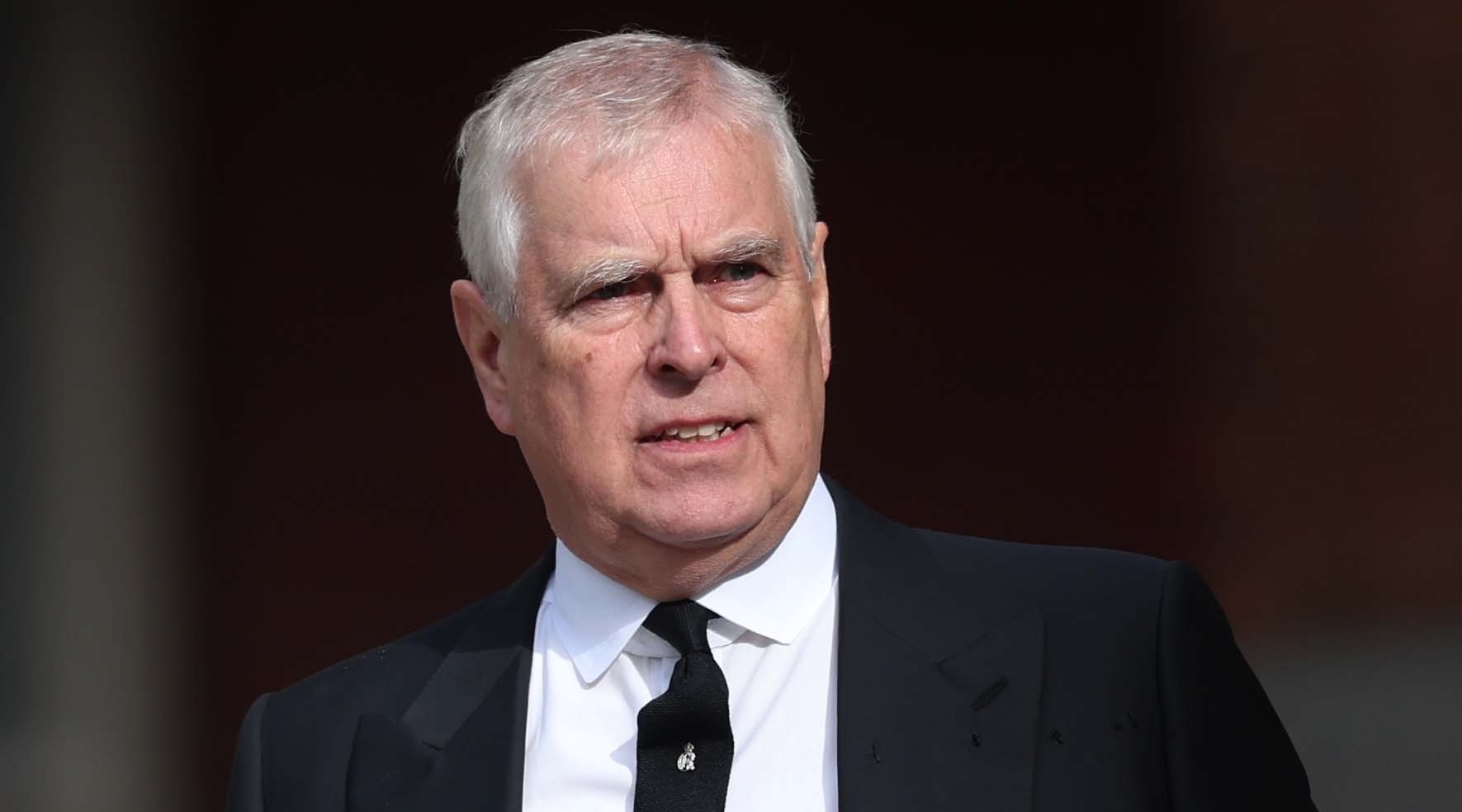
In a dramatic turn of events that has sent shockwaves through the British establishment, Prince Andrew, the Duke of York and younger brother of King Charles III, has been detained by authorities. The detention, which occurred on the former royal’s birthday, marks an unprecedented moment in modern British royal history and represents a significant escalation in ongoing investigations into his conduct and associations. The move comes after years of controversy surrounding the prince, whose public reputation has been severely damaged by his connections to convicted sex offender Jeffrey Epstein.
Police authorities have confirmed they are investigating allegations of abuse of official position, with the inquiry closely tied to the broader investigation into the Epstein affair. The detention represents the most serious legal action taken against a member of the senior British royal family in living memory, raising profound questions about accountability and the limits of royal privilege in contemporary Britain.
The Epstein Connection and Years of Scandal
Prince Andrew’s troubles stem primarily from his well-documented friendship with Jeffrey Epstein, the American financier who died in prison in 2019 while awaiting trial on sex trafficking charges. The prince’s association with Epstein became a source of intense public scrutiny, particularly after Virginia Giuffre accused Andrew of sexually assaulting her when she was 17 years old, allegations the prince has consistently denied. In 2022, Andrew reached an out-of-court settlement with Giuffre, reportedly paying millions of pounds while admitting no wrongdoing. The settlement, however, did little to rehabilitate his public image or quell ongoing investigations.
The fallout from these controversies has been devastating for Andrew’s position within the royal family. In January 2022, Queen Elizabeth II stripped her son of his military titles and royal patronages, and he was forced to stop using the title “His Royal Highness” in any official capacity. The late queen’s decision marked an extraordinary rebuke and signaled that even the closest family members would not be shielded from consequences of their actions. Since then, Andrew has lived largely in seclusion at Royal Lodge in Windsor, his public appearances becoming increasingly rare.
Abuse of Position Allegations
The current investigation into abuse of official position suggests authorities are examining whether Andrew leveraged his royal status for improper purposes. Such investigations typically focus on whether individuals in positions of public trust used their authority or access for personal benefit or to facilitate illegal activities. Legal experts note that prosecuting a member of the royal family presents unique constitutional challenges, though the British legal system has increasingly moved toward holding all citizens accountable regardless of their social standing.
The timing of the detention on Andrew’s birthday adds a particularly poignant dimension to this already extraordinary situation. Royal observers have noted that the decision to proceed on such a personal date suggests investigators were unconcerned about appearances or potential criticism of insensitivity, indicating the seriousness with which they are treating the matter. The detention also comes at a particularly difficult time for the royal family, which has faced numerous challenges in recent years including King Charles III’s cancer diagnosis and ongoing family tensions.
Implications for the Monarchy
The detention of Prince Andrew raises fundamental questions about the future relationship between the British monarchy and the legal system. Historically, members of the royal family have enjoyed certain legal protections and privileges, though these have been gradually eroded in the modern era. Constitutional experts suggest that how this case proceeds could set important precedents for royal accountability. The monarchy’s ability to maintain public support depends increasingly on demonstrating that its members are subject to the same laws as ordinary citizens.
King Charles III, who has sought to modernize and streamline the monarchy since ascending to the throne, now faces an unprecedented challenge in managing both family loyalty and public expectations for justice. The king has already taken steps to distance the working royal family from his brother, but a criminal investigation and potential prosecution would represent an entirely different level of crisis. Palace sources have remained notably silent on the detention, suggesting careful deliberation about how to respond to this rapidly evolving situation.
Expert Opinion: This detention marks a watershed moment for the British monarchy, demonstrating that even the closest relatives of the sovereign are not immune from legal accountability. The outcome of this investigation will likely reshape public expectations about royal privilege and could accelerate constitutional reforms regarding the monarchy’s relationship with the justice system. Regardless of the final legal outcome, the reputational damage to the institution will require years of careful management to address.