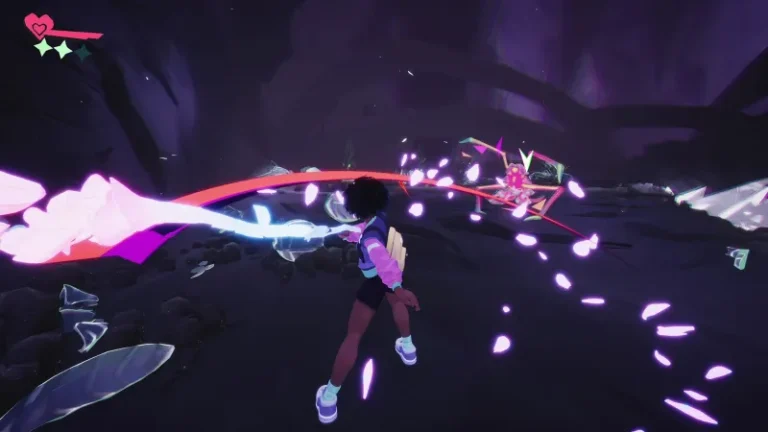









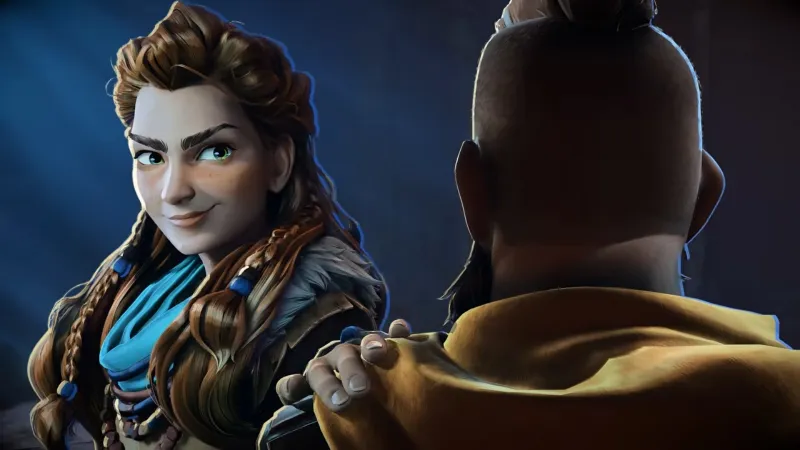
PlayStation’s ambitious foray into the live-service gaming market continues to face significant headwinds, with the latest setback involving Horizon Hunters Gathering, a multiplayer spin-off of Guerrilla Games’ acclaimed Horizon franchise. According to new reporting from Bloomberg’s Jason Schreier, the project is undergoing a substantial overhaul following disappointing feedback from private playtesting sessions conducted earlier this year. The development represents yet another challenge for Sony’s persistent efforts to establish a meaningful presence in the lucrative but notoriously difficult live-service gaming sector.
The game was initially announced to a lukewarm reception from fans who were puzzled by its dramatic departure from the series’ established identity. While Horizon Hunters Gathering retains worldbuilding elements from the beloved Horizon Zero Dawn and Horizon Forbidden West, including the distinctive machine creatures and post-apocalyptic setting, the genre shift to live-service multiplayer and a completely revamped art style alienated many longtime fans of the franchise before anyone had even played the game. The colorful, almost cartoonish visual approach stood in stark contrast to the grounded, realistic aesthetic that had defined Aloy’s adventures across two mainline entries.
Major Development Pivot Underway
Schreier’s report, which cites anonymous sources familiar with the project’s development who are not authorized to speak publicly, reveals that PlayStation has decided to fundamentally restructure the game’s design philosophy. “Following poor feedback in private testing earlier this year, the plan now is to strip out the live-service component and turn it into more of a traditional cooperative multiplayer game with a story mode and a far smaller scope,” the Bloomberg article states. This represents a significant strategic retreat from the original vision, which presumably included the persistent online elements, seasonal content updates, and monetization structures typical of the live-service model.
While the project has not been cancelled outright, the development team reportedly faces a critical evaluation period. Sources indicate that the team has “through December to impress executives on their next milestone,” suggesting that the game’s future hangs in the balance pending demonstrated progress on the revised concept. Adding to the uncertainty, many developers originally assigned to Hunters Gathering are being reassigned to other projects within the studio, with their futures to be evaluated at year’s end. This restructuring signals that PlayStation is hedging its bets while giving the remaining team an opportunity to salvage the project.
A Pattern of Live-Service Struggles
The troubled development of Hunters Gathering fits into a broader pattern of live-service disappointments for PlayStation. Despite the company’s reputation for producing some of the industry’s most celebrated single-player experiences, including God of War, The Last of Us, and Spider-Man, its attempts to crack the online multiplayer market have repeatedly faltered. Multiple ambitious live-service projects based on these flagship franchises were quietly cancelled before ever being publicly revealed, representing years of development time and significant financial investment that never reached consumers.
The most high-profile failure came with Concord, a hero shooter developed by Firewalk Studios that was shut down less than a week after its August 2024 launch following catastrophically poor player reception and sales figures. The game’s servers were taken offline on September 6, 2024, making it one of the fastest commercial failures in major gaming history. Additionally, Bungie’s Destiny 2, which PlayStation acquired along with its developer for $3.6 billion in 2022, received its final major content update this year, marking the end of an era for what was supposed to be PlayStation’s live-service crown jewel. The acquisition, once heralded as PlayStation’s entry ticket into the live-service space, has instead become a cautionary tale as Bungie has faced significant layoffs and restructuring.
Implications for Horizon’s Future
Perhaps the most concerning revelation for fans of the Horizon franchise is that the uncertain fate of Hunters Gathering directly impacts the timeline for the next mainline single-player entry. According to Bloomberg’s reporting, most of the development team that created Horizon Forbidden West has been allocated to the multiplayer project rather than a sequel to Aloy’s adventure. “A tiny team has been plotting out the next single-player Horizon game but it remains years away from completion, according to the people familiar with the studio’s plans,” Schreier writes. This news will likely disappoint fans who had hoped to continue Aloy’s story in the near future, especially given the narrative threads left open at the conclusion of Forbidden West and its Burning Shores expansion.
The situation highlights the broader tension within the gaming industry between the reliable success of premium single-player experiences and the potentially massive but elusive rewards of live-service games. While successful live-service titles like Fortnite and Genshin Impact generate billions in recurring revenue, the market has proven extremely competitive and unforgiving to newcomers. PlayStation now faces difficult decisions about how to allocate its development resources, with the Hunters Gathering situation serving as a real-time case study in the risks of chasing live-service gold. Whether the scaled-back, cooperative multiplayer version of the game can satisfy both executives and players remains to be seen, but the coming months will prove decisive for both the project and PlayStation’s broader multiplayer ambitions.
Expert Opinion: PlayStation’s repeated live-service failures suggest a fundamental misalignment between the company’s development strengths and market demands. The studio excels at crafted, narrative-driven experiences—attempting to force these franchises into live-service models appears to dilute their appeal while failing to compete with established players. Moving forward, Sony would be wise to invest in smaller-scale, focused multiplayer experiences rather than chasing the volatile live-service market that has claimed so many casualties.