






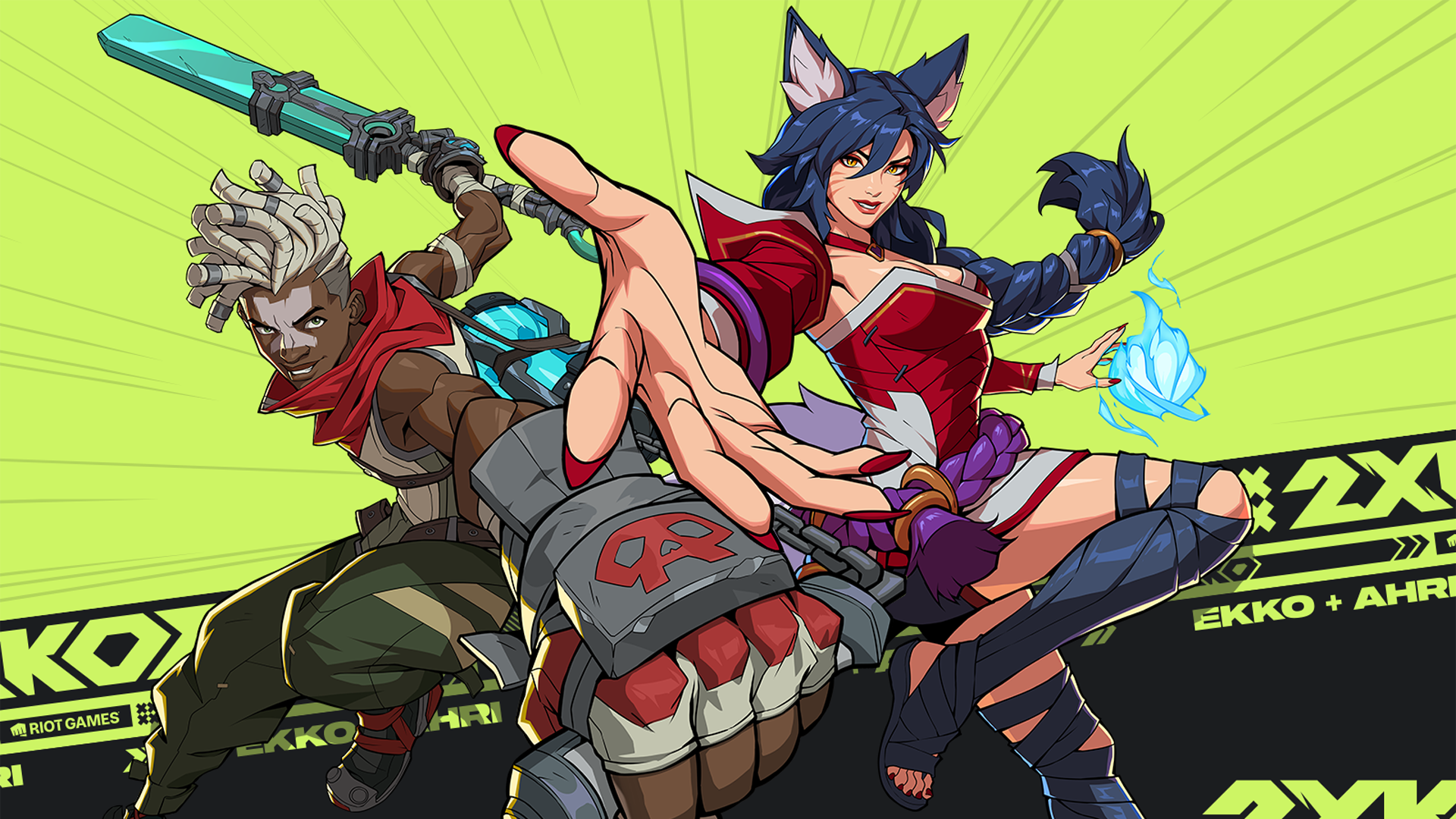
In a surprising turn of events that has sent shockwaves through both the League of Legends community and the broader fighting game scene, Riot Games has officially announced the shutdown of 2XKO, their ambitious foray into the competitive 2D fighting game genre. The game, which was initially unveiled alongside the massively successful tactical shooter Valorant, had generated significant excitement among fans who saw it as a fresh and innovative take on the fighting game formula. Despite early positive reception, regular character updates, and a dedicated player base that had begun forming around the title, Riot has made the difficult decision to pull the plug less than one year after the game’s official debut.
The announcement has left many players wondering what went wrong and what this means for their invested time, in-game purchases, and the competitive scene that was just beginning to take shape. For a company known for its long-term commitment to games like League of Legends, which has thrived for over a decade, the relatively swift cancellation of 2XKO represents an unusual departure from Riot’s typical approach to game development and community building.
The Rise And Fall Of Riot’s Fighting Game Ambitions
2XKO, originally known under the codename “Project L” during its development phase, represented Riot Games’ attempt to diversify its portfolio beyond the MOBA and tactical shooter genres that had brought the company tremendous success. The game featured beloved champions from the League of Legends universe, reimagined as playable fighters in a tag-team 2D combat system. This approach was designed to attract both existing Riot fans familiar with characters like Ahri, Yasuo, and Ekko, as well as fighting game veterans looking for a fresh competitive experience. The development team included notable industry talent, including members who had previously worked on acclaimed fighting games, which added to the initial optimism surrounding the project.
The fighting game genre, while passionate and dedicated, has historically been one of the more challenging markets to crack successfully. Established franchises like Street Fighter, Tekken, and Mortal Kombat have dominated the space for decades, making it difficult for newcomers to carve out sustainable player bases. Even well-funded efforts from major studios have struggled to maintain momentum in this competitive landscape. Riot’s decision to enter this market was seen as bold, and many believed that their expertise in free-to-play models and esports infrastructure could bring something new to the genre.
Impact On Players And Purchased Content
For the players who invested time and money into 2XKO, the shutdown raises significant questions about refunds, account data, and the fate of their purchased content. Riot Games has not yet provided comprehensive details about how they plan to handle players who made in-game purchases during the game’s brief lifespan. Industry precedent suggests that companies typically offer some form of compensation, whether through refunds, credits toward other Riot titles, or exclusive cosmetic items as a gesture of goodwill. The handling of this transition will likely influence how the community perceives Riot’s commitment to its player base across all their titles.
The competitive community that had begun organizing around 2XKO faces perhaps the most significant disruption. Tournament organizers, content creators, and aspiring professional players who had dedicated resources to mastering the game now find themselves without a platform. Some may transition to other fighting games, while others might return to League of Legends or Valorant. The fighting game community, known for its resilience and adaptability, will likely absorb these displaced players, but the loss of what many considered a promising new competitive title is nonetheless disappointing for those who saw 2XKO as the future of their competitive gaming careers.
What This Means For Riot’s Future Projects
The shutdown of 2XKO may signal a broader strategic recalibration at Riot Games, which has been expanding aggressively into new genres over the past several years. The company has launched multiple titles including Teamfight Tactics, Legends of Runeterra, and Valorant with varying degrees of success. This decision could indicate that Riot is becoming more selective about which projects receive continued support and investment, particularly in genres where they face entrenched competition. For players and industry observers alike, the 2XKO shutdown serves as a reminder that even well-resourced game launches carry significant risk, and that initial positive reception does not guarantee long-term viability in today’s crowded gaming marketplace.
Expert Opinion: The 2XKO shutdown reflects the brutal economics of the modern fighting game market, where even substantial backing cannot overcome the genre’s notoriously high player retention challenges. This decision likely signals Riot’s pivot toward consolidating resources around proven performers rather than maintaining experimental titles. Expect the company to be far more cautious with future genre expansions, potentially focusing on mobile adaptations and expanding existing franchises rather than launching entirely new competitive games.